

How many Winter Olympics are left?
The Winter Olympics is melting away before our very eyes. Literally.

In a world where everything feels like it’s falling apart, the Winter Olympics felt like a moment to bond.
Sports fans, Heated Rivalry fans and of course the complete newcomers all found themselves watching clips on Instagram or settling in for hours of heats.
In Australia, Nine’s broadcast of Milano Cortina 2026 set new record numbers for the Winter Olympics and around the world BBC and Warner Bros (which owns HBO Max and Discovery+ in the UK) reported the highest viewership of the Winter Olympics in history.
As I watched the month unfold, laughing at awkward press conferences and feeling a burst of joy at Alysa Liu’s poise and talent, I kept circling back to one question: how many more moments like this will we have?
With record-breaking heatwaves and devastating floods becoming the norm, how many more Winter Olympics would we have?
A 2024 study found that of the 16 Winter Olympic sports, half are directly affected by temperature and snow conditions, and three are sensitive to temperature and humidity.
Under a mid-range emissions scenario, only 52 of 93 historically viable Winter Olympic host locations will remain climate-reliable by the 2050s. By 2080, that drops to 46. The Paralympics, which are held later in the warmer month of March, are further vulnerable, leaving just 22 reliable sites projected by 2050.
Researchers describe a “notable decline of climatically reliable host locations” already underway, which “affirms the need to consider climate change in future host selection processes for providing successful conditions.”
In Australia, where snowfall is already limited, the picture is even more stark.
Ruby Olsson, who led an Australian-first climate modelling report for Protect Our Winters Australia, found that under a mid-emissions scenario the average ski season across resorts would shrink by 44 days — a 42% reduction. Under high emissions, it falls by 55 days. By 2080, high emissions leave just one viable ski day.
Under that scenario, Olsson says, resorts would simply “not be viable at all.”
Olsson, a social scientist doing her PhD on the socio-economic impacts of snow gum dieback in the Australian Alps, said that what stood out to her was the “stark difference” between the emissions scenarios and the importance of climate mitigation measures.
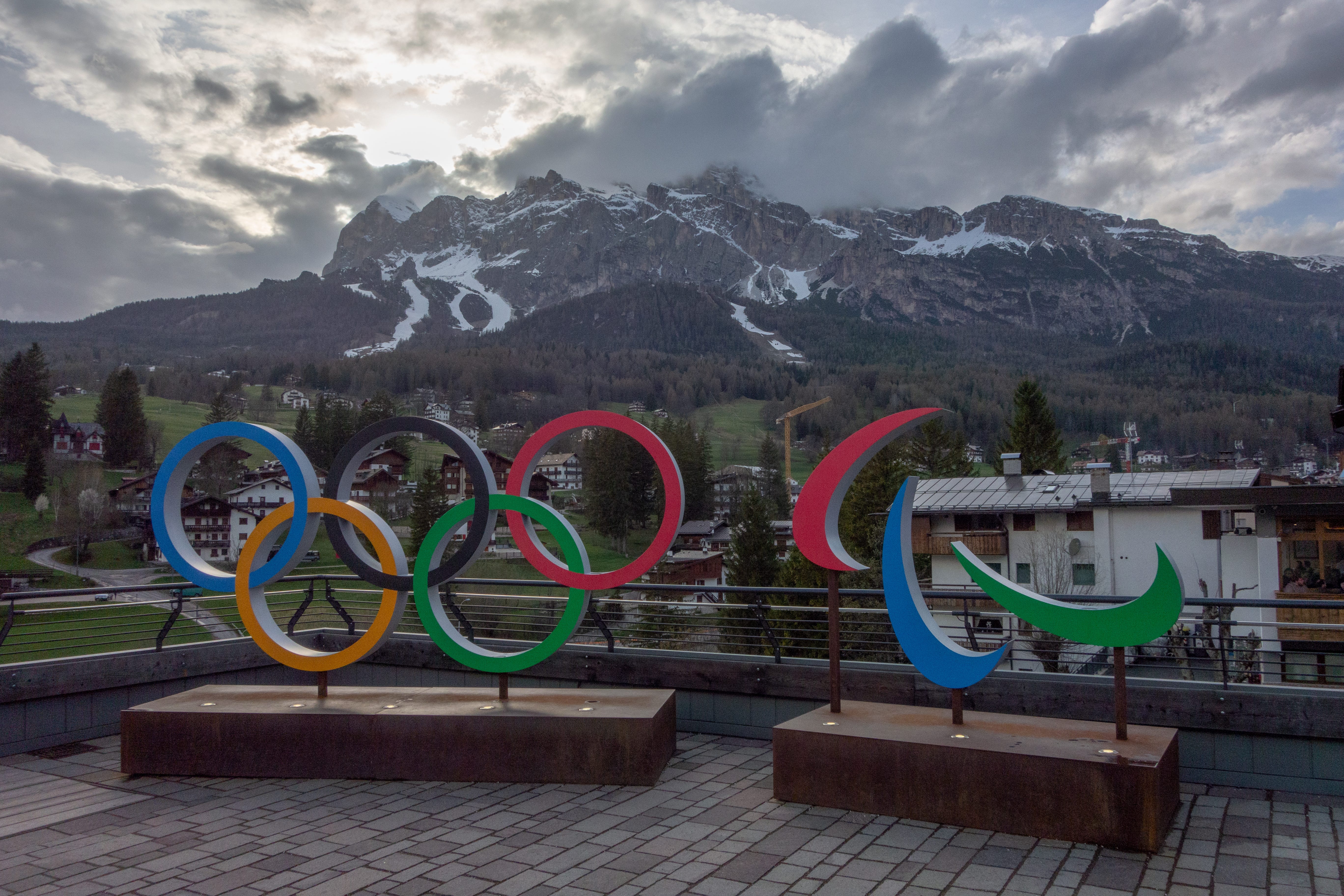
While artificial snow is already being used and is seen as a method to minimise the devastating consequences of climate change, it’s not the safety net many assume.
Philippe Marquis, a Canadian two-time Winter Olympian and top freestyle skier has stated that artificial snow creates more dangerous conditions and from an environmental standpoint the water required is substantial.
Keep reading with a 7-day free trial
Subscribe to Perceived Pressure to keep reading this post and get 7 days of free access to the full post archives.
 | A guest post by
|